Home Repairs Roof Leak Repair Emergency & Storm Response Shingle Repair Flat & Commercial Roof Repair Flashing, Chimney & Vent Repair Ice Dam & Winter Damage Storm Damage & Insurance Claims Skylight Leak Repair Roof Maintenance Programs More The Cost of Waiting Repair vs Replace FAQ Contact & Service Area Call 250-258-8600
  1. Kelowna Roofing Repairs
  2. Emergency & Storm Response

Emergency Roof RepairStorm response, Kelowna

Water is coming in, or the wind has just taken part of the roof. The first job is to stop the water with something that holds. The second is a permanent repair done once the roof is dry enough to do it properly. We do both, in that order.

Call 250-258-8600

Leaking right now? Call and say so. Emergency calls are answered 8 am–5 pm weekdays, weekends by arrangement for a fee. An active leak gets a temporary measure first, then a proper repair once the roof is dry enough to do it right.

Call 250-258-8600

What counts as an emergency.

Anything on this list is worth a call today rather than a booking next week. Say what you are seeing when you phone and the visit gets prioritised.

Water actively dripping or running inside

Not a stain that appeared last week, but water arriving now. The longer it runs, the more of the ceiling, insulation and deck it soaks.

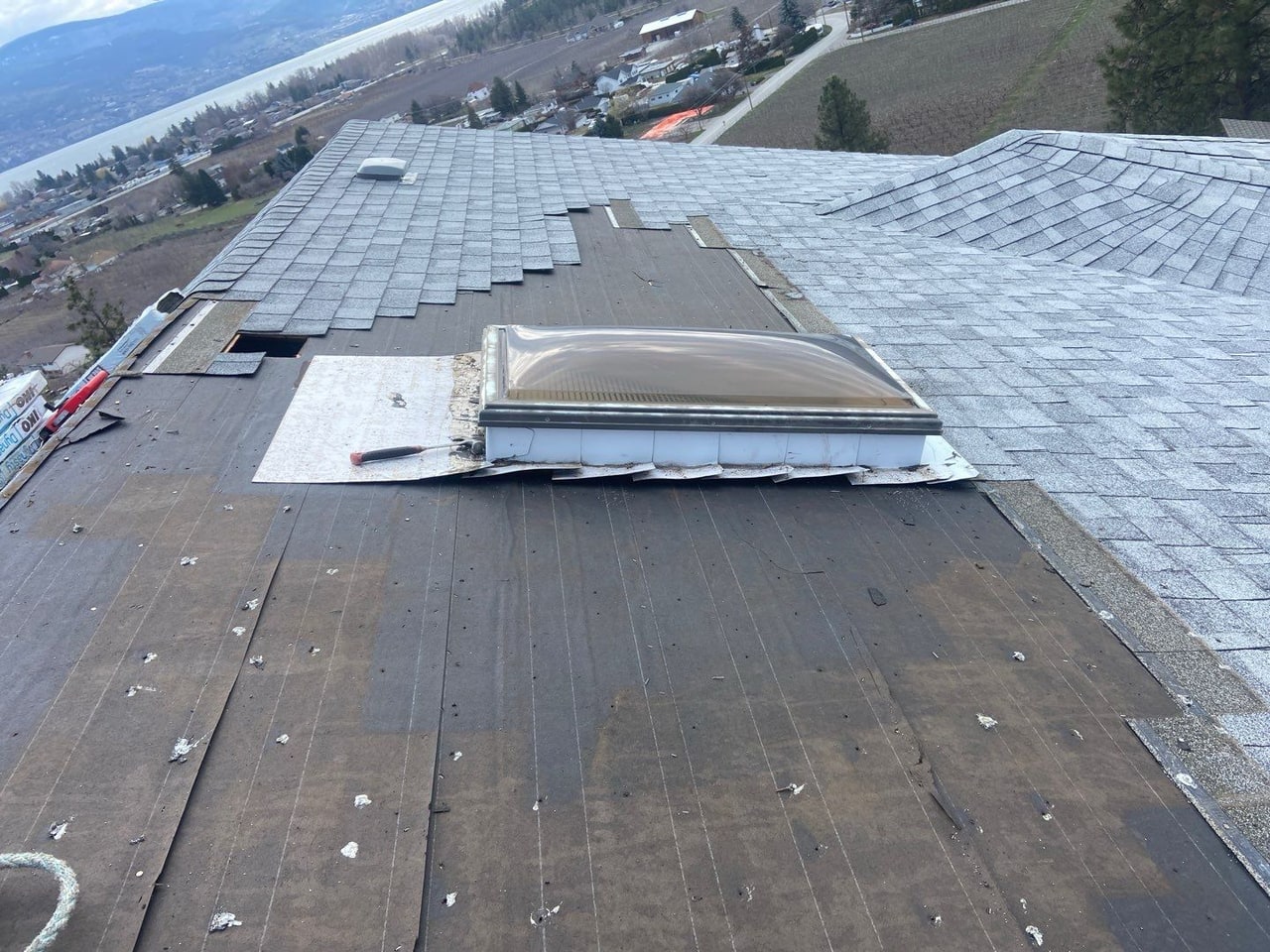
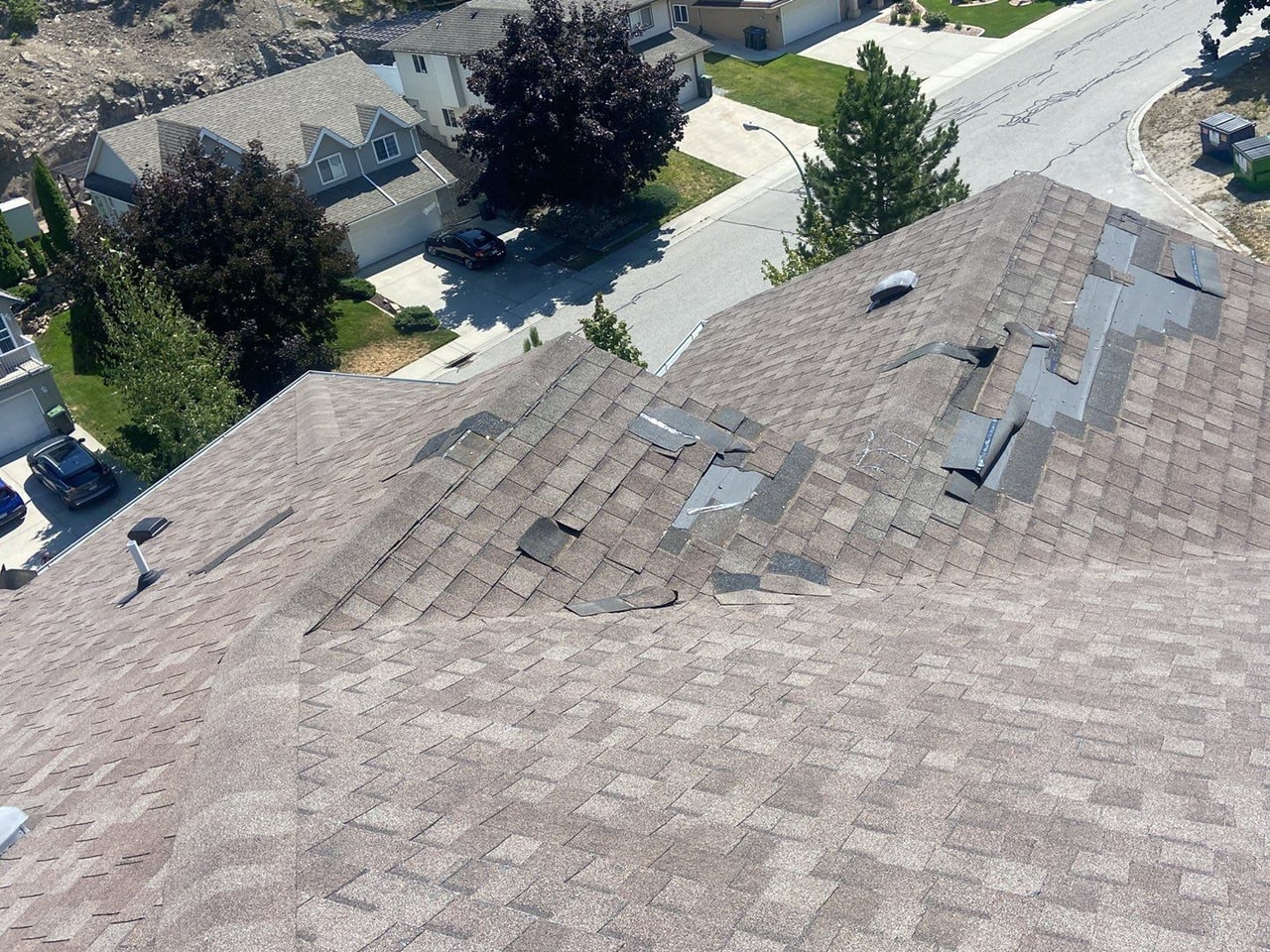
Shingles on the lawn after a wind

If they are on the ground, there is bare underlayment or bare deck somewhere above. Underlayment sheds a shower; it will not shed a week of weather.

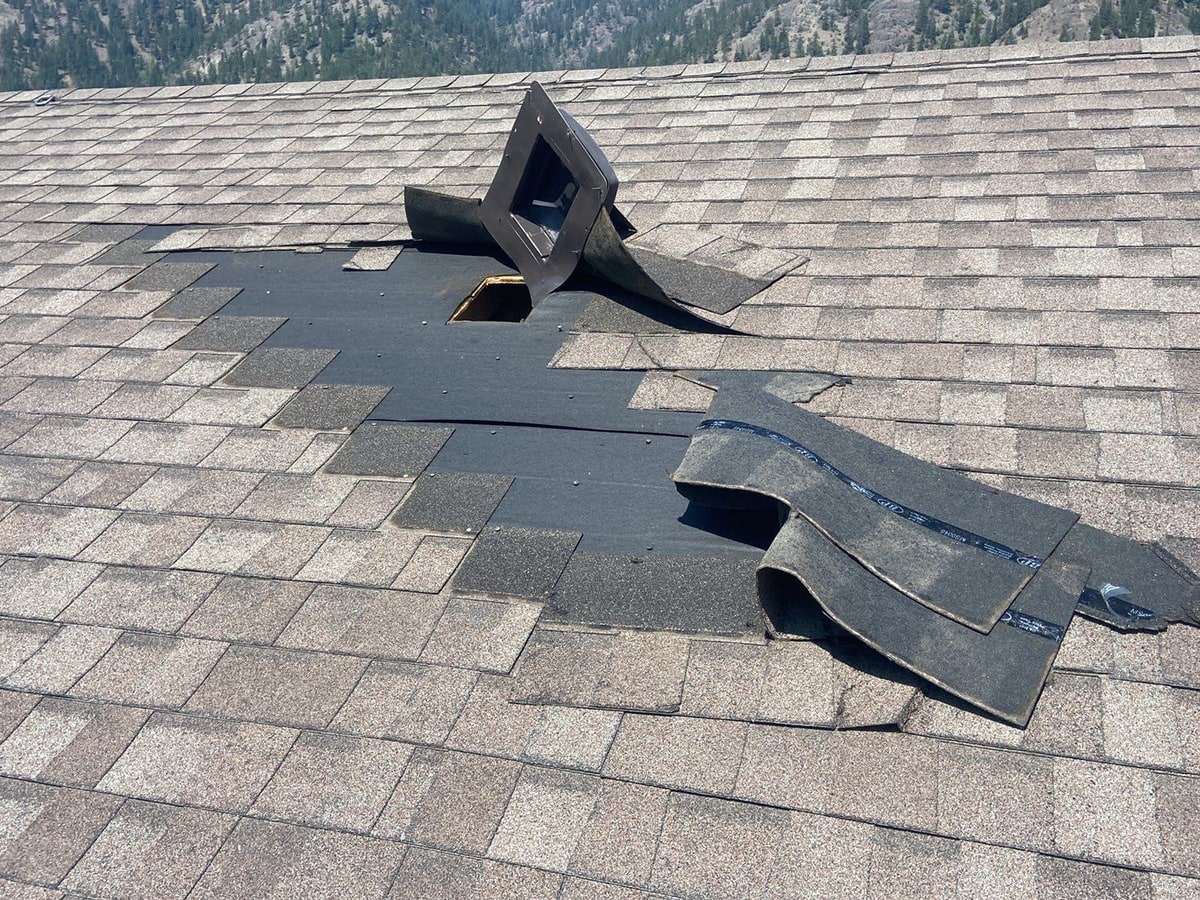
A vent, cap or piece of metal missing

Wind that takes a roof vent, a ridge cap or a length of edge metal leaves an open hole straight into the attic.

A bulging or sagging ceiling

Drywall holding water above it. It needs draining before it lets go, and the leak above it needs stopping before it fills again.

A tree or branch on the roof

Impact damage is rarely just the shingles. The deck under the strike and the flashings around it need a look before anyone puts weight up there.

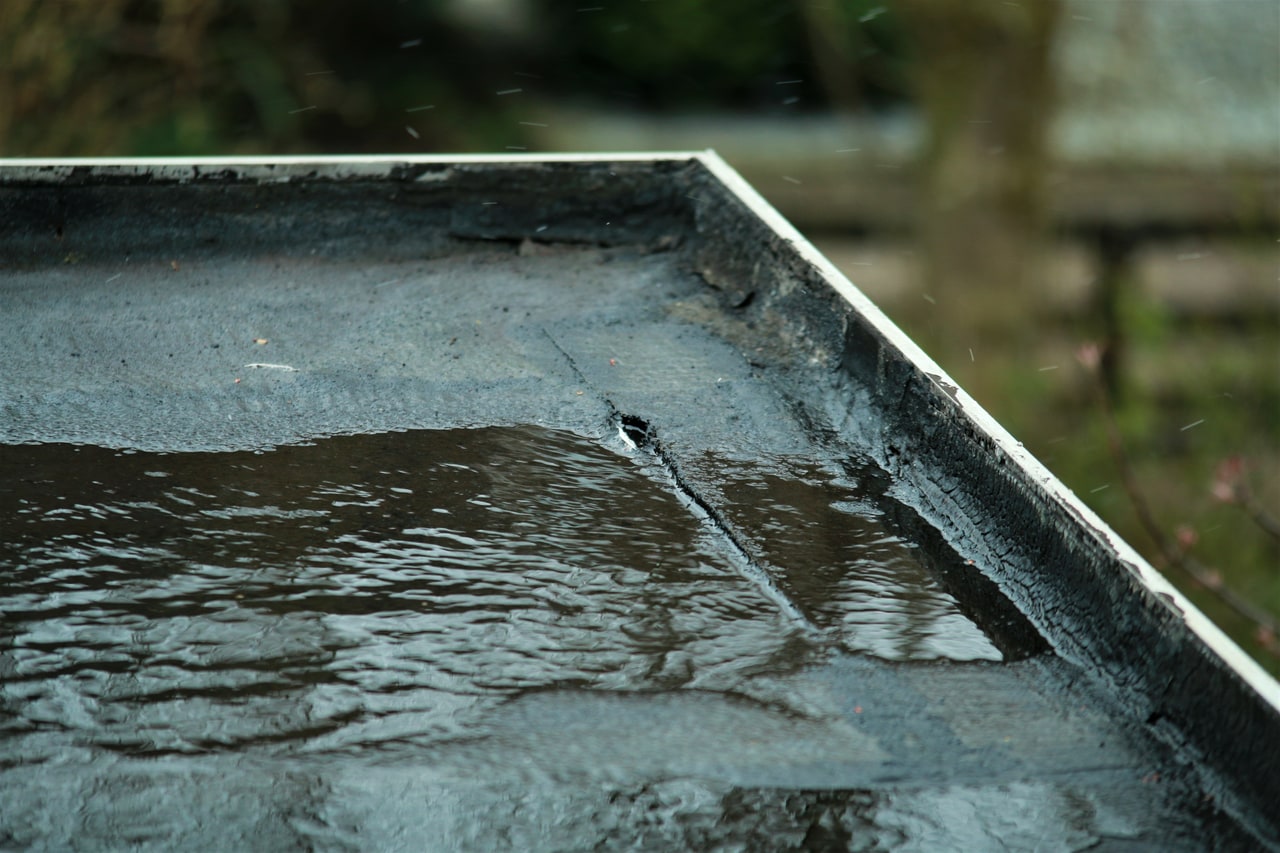
A flat roof holding a pond after rain

Standing water that is not draining is weight on the structure and a test of every seam. Usually a drain packed with needles, sometimes worse.

Water coming in during a thaw

Snow melting into the house is an ice dam at the eave or a load problem on a flat roof. See ice dam and winter damage.

A tarp somebody else put on that is flapping

A loose tarp tears at its corners and pumps water under itself with every gust. It counts as its own emergency.

The valley makes its own weather.

Kelowna sits in a long trough with a lake down the middle, and wind funnels along it. A gust coming up off the water hits a roof sideways and from below, which is exactly the direction a shingle’s seal strip was never designed to resist. One strip lets go, the wind gets under the course above, and a band of shingles peels back in seconds, usually taking a vent with it.

The other half is the dry heat. Weeks without rain bake sealant, shrink pipe boots and let needles and grit pack the drains and valleys. Then the first real downpour arrives all at once, finds every detail that dried out and cracked over the summer, and a roof that never leaked in July leaks in September. Winter adds snow load and freeze-thaw, which pries at anything the wind and heat already loosened.

So the emergency is rarely a surprise from the roof’s point of view. It is a detail that was already failing, plus one hard day of weather.
Open roofs get worse by the hour.

A slow leak takes months to do real damage. An open roof after a storm does it in days, because there is nothing between the weather and the deck.

First hours

Underlayment takes the weather

Bare underlayment sheds the first rain. With shingles gone, wind lifts and tears it at the staples, and water starts running onto the deck and down the rafters to the first ceiling below.

Fix now: a secured tarp and a repair

Days

Deck and insulation soaked

Plywood under the opening swells and the attic insulation beneath it fills with water. The ceiling stains spread and drywall starts to bow. Each day adds a bigger area to dry out and replace.

Fix now: repair, insulation, drywall

The next wind

The damage grows on its own

Courses that stayed on have broken seal strips and lifted nails. The next gust peels them back further, and a repair that was a few bundles of shingles becomes a slope.

Fix now: a slope, not a patch

Weeks

Rot, mould and the claim

Sheathing delaminates, wet insulation grows mould, and the interior needs remediation. Insurers also expect you to have limited the damage promptly; an open roof left for weeks is a harder claim.

Fix now: new deck, remediation, often a re-roof

We drew the whole sequence, stage by stage, with the roof section changing as you scroll.

The cost of waiting

Stop the water. Then fix the roof.

A temporary measure done badly is a second emergency. A permanent repair done on a wet roof is a repair you pay for twice. So the order and the conditions matter more than speed for its own sake.

Step 01

The call

Say the word leak, or storm, and the call is routed as one. Emergency calls are answered 8 am to 5 pm on weekdays, and weekends by arrangement for a fee. Active leaks are prioritised over scheduled work. We will ask what you are seeing, where, and what the weather is doing, so the right material is on the truck.

Step 02

Make it safe and find the opening

Wind damage is routinely worse from the roof than from the ground. We look at the whole slope, not just the bare patch, because courses that stayed on may have broken their seal strips and will go in the next blow. On a flat roof, the first check is the drains and scuppers, then the seams and any impact points.

Step 03

A temporary measure that holds

On shingles: a tarp run from above the damage over the ridge where possible, fastened through battens so wind cannot get under it, sized to shed water clear of the opening. On a membrane: a peel-and-stick patch on a dried, primed area, or a drain cleared so the pond leaves. What we do not do is smear sealant over a wet detail and call it fixed. It is not, and it fails as soon as the weather returns.

Step 04

The permanent repair, when the roof is dry

Sometimes that is the same visit. If it is raining, the deck is wet, or the damage needs material we have to order, it follows as soon as conditions allow. Torch-on and peel-and-stick need a dry substrate to bond; shingles need a deck that is sound. Doing it right the second time is the whole point of doing the tarp right the first time.

Step 05

Photographs and a written record

What we found, what we did as a temporary measure, and what the permanent repair involves, with photographs from the roof. That record is what an insurance claim needs, and it is what you need to decide whether this is a repair or the point where the roof is telling you something bigger. See storm damage and insurance claims.

Repair, or replace?

Storm damage on a roof with years left is a repair, and a good one blends into the slope. A band of shingles, a vent, a length of edge metal, a section of membrane: those are details.

If the wind took shingles because the whole slope’s seal strips had let go with age, or the deck under the opening is soft, a repair is money spent twice. We will tell you that on the first visit rather than after the next storm. Replacements are done by Premium Roofing, same crews and same phone number. How we decide.

What an emergency repair costs

We do not quote a roof we have not seen. What moves the number is what the weather opened up, how far the water travelled, whether the deck under it is still sound, and whether the permanent repair can happen on the same visit or needs a second one in dry conditions.

What you can count on: the inspection and written quote are free, pricing is flat-rate, and the emergency visit, the temporary measure and the permanent repair are laid out separately so you see what each is before work starts. Nothing arrives as a surprise on the invoice.

Emergency questions.

Emergency calls are answered 8 am to 5 pm on weekdays, and weekends by arrangement for a fee. If water is actively coming into the building, say so when you call and the visit is prioritised over scheduled work.
Move furniture and valuables out from under the drip, put a bucket down, and if the ceiling is bulging, pierce the lowest point with a screwdriver so it drains in a controlled way. Turn off power to any light fitting that is dripping. Do not go on the roof in rain, wind or snow. Photograph everything, including the stain and any debris on the ground, and note the time and weather.
If the roof is dry enough and the material is on the truck, often yes. If it is raining, the deck is wet or the damage needs material we have to order, the first visit stops the water with a temporary measure that holds, and the permanent repair follows once conditions let it be done properly. A patch torched or glued onto a wet substrate fails, so we do not do that.
Yes, and properly: the tarp runs from above the damage over the ridge where possible, is fastened through battens rather than loose nails through the sheet, and is sized so wind cannot get under it. A tarp weighted with bricks is a sail waiting to happen and usually causes a second leak where the corners tear.
It is part of the repair. We do not quote sight-unseen, but the inspection and written quote are free, pricing is flat-rate, and the emergency visit, the temporary measure and the permanent repair are laid out separately so you can see what each is before work starts.
Call us to stop the water; that is what your policy expects you to do to limit the damage. Then call your insurer. We photograph and document the damage on the first visit, which is what the claim needs. See storm damage and insurance claims for the walkthrough.

After the water is stopped.

Something up there isn't right?

Tell us what you are seeing and we will come and find out what is causing it. Estimates are free, written down, and honest about whether the roof is worth repairing.

250-258-8600

Free estimates • Kelowna, West Kelowna, Lake Country & Peachland