Home Repairs Roof Leak Repair Emergency & Storm Response Shingle Repair Flat & Commercial Roof Repair Flashing, Chimney & Vent Repair Ice Dam & Winter Damage Storm Damage & Insurance Claims Skylight Leak Repair Roof Maintenance Programs More The Cost of Waiting Repair vs Replace FAQ Contact & Service Area Call 250-258-8600
  1. Kelowna Roofing Repairs
  2. Flat & Commercial Roof Repair

Flat & Commercial Roof RepairTorch-On, TPO & EPDM

A flat roof lives or dies on its seams, its flashings and its drains. Most of what we repair on commercial, strata and residential flat roofs is one of those three. We fix it with the same membrane that is already up there, and we write down what the rest of the roof has left.

Call 250-258-8600

Leaking right now? Call and say so. Emergency calls are answered 8 am–5 pm weekdays, weekends by arrangement for a fee. An active leak gets a temporary measure first, then a proper repair once the roof is dry enough to do it right.

Call 250-258-8600

The signs on a flat roof.

Flat roofs give more warning than pitched ones, because most of the failures are visible from up there long before they show inside. If any of these are on your roof, it is worth a look before the next big rain.

A shadow line along a lap

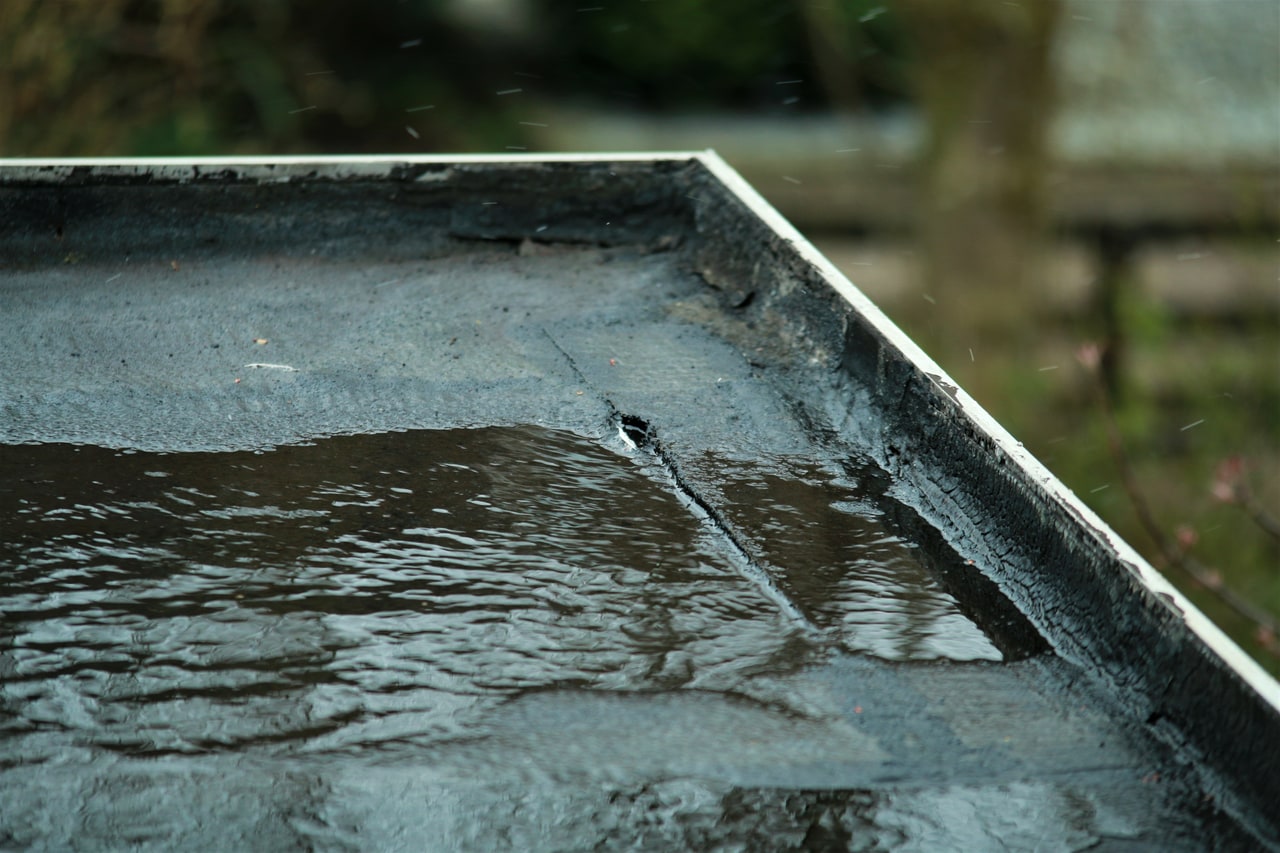
On torch-on and SBS, a seam that has opened shows as a dark line or a lip you can get a fingernail under. Water runs along that seam and in.

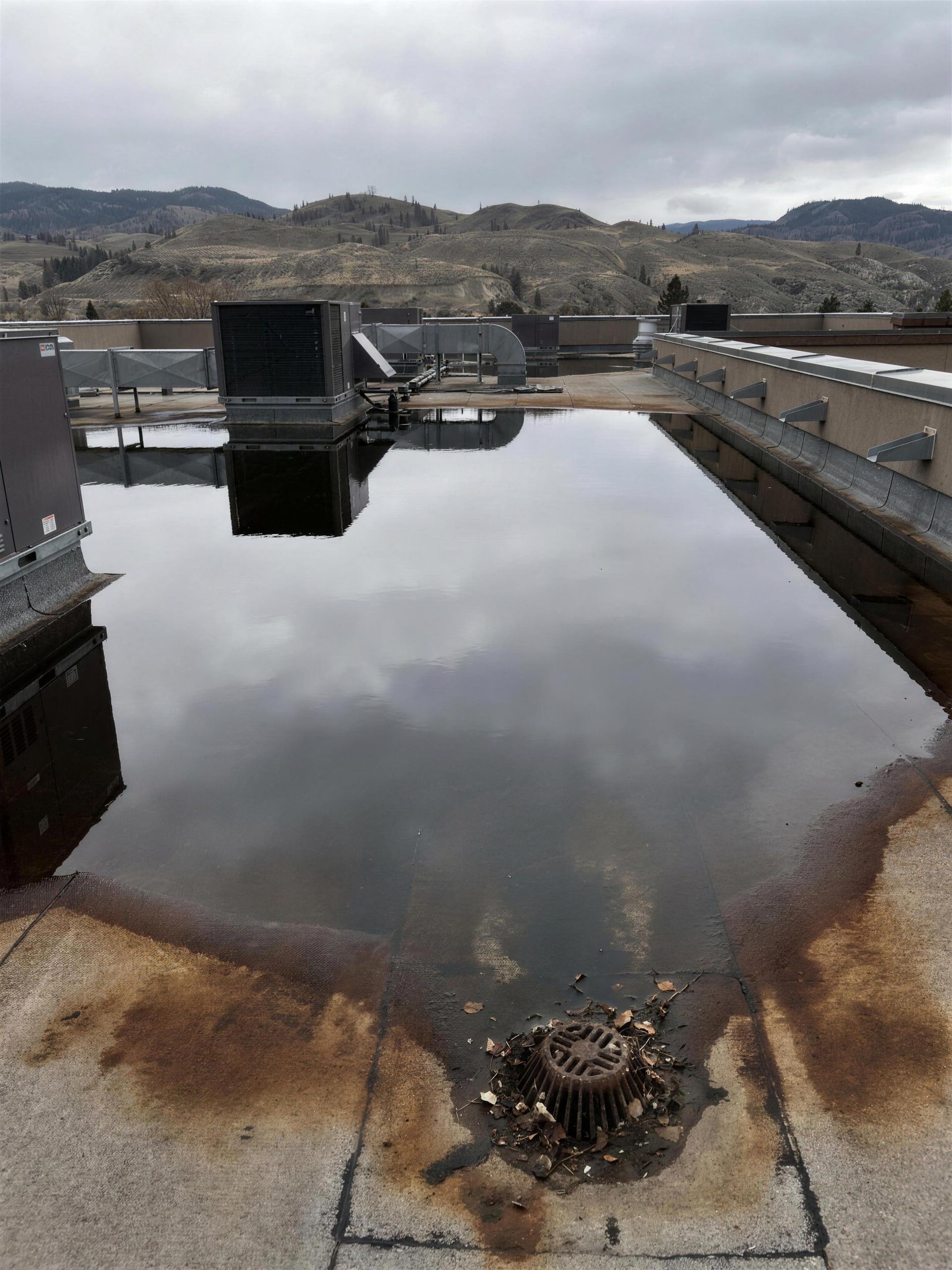
Standing water two days after rain

Ponding. The membrane is designed to shed water, not hold it. A pond that stays is either a blocked drain or a roof with no fall, and it is working every seam under it.

Blisters and bubbles in the membrane

Air or moisture trapped between plies expands in the heat and lifts the cap sheet. An unbroken blister is not urgent. One that has split at the crown is an open hole.

Cracks and alligatoring

Fine surface cracking across the field, or a straight split over a deck joint or an old repair. Splits over joints are movement; alligatoring is a cap sheet at the end of its UV life.

TPO seams lifting or flashings peeling

A heat-welded seam that was cold-welded, or a flashing at a curb or pipe that has pulled back. Push a blunt probe along it. If it goes in, water does too.

EPDM pulling away from walls and corners

Rubber shrinks with age. The membrane bridges inside corners, tents at the base of walls and pulls seams apart, usually first at the corners of the roof.

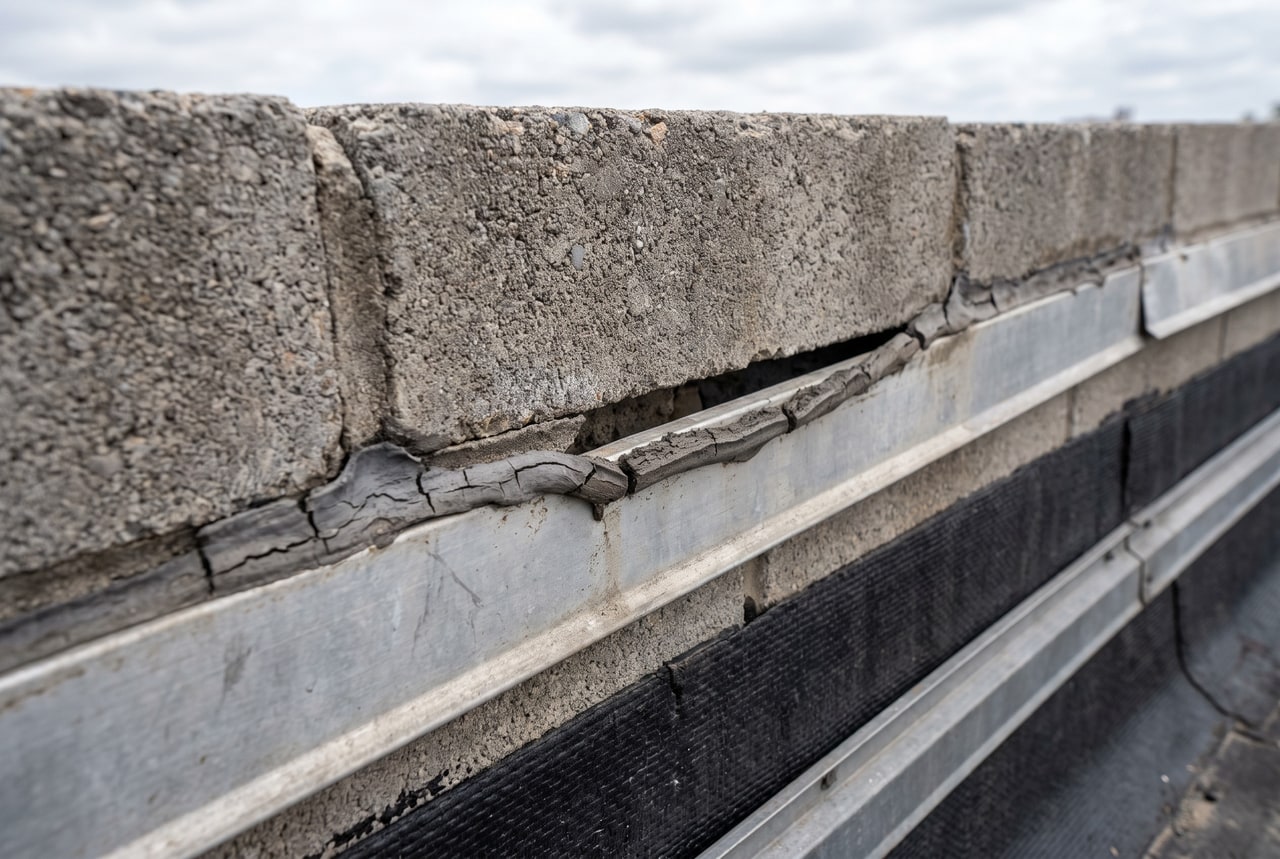
Sealant gone at the parapet or termination bar

Where the membrane stops against a wall, it relies on a bar and a bead of sealant. The sealant has a shorter life than the roof and opens a path straight behind the membrane.

Stains under HVAC units or drains inside

Curb flashings around rooftop units and the boots around drains are the two commonest entry points on a commercial roof. A stain below either one is rarely the unit itself.

Heat, movement and needles.

A flat roof in Kelowna spends July at deck temperatures that soften bitumen and expand every sheet of membrane on it, and January in freeze-thaw that pulls the same sheets back. Everything on the roof moves. The field membrane is built for that. The laps, the terminations and the flashings are where the movement concentrates, and where it eventually opens something.

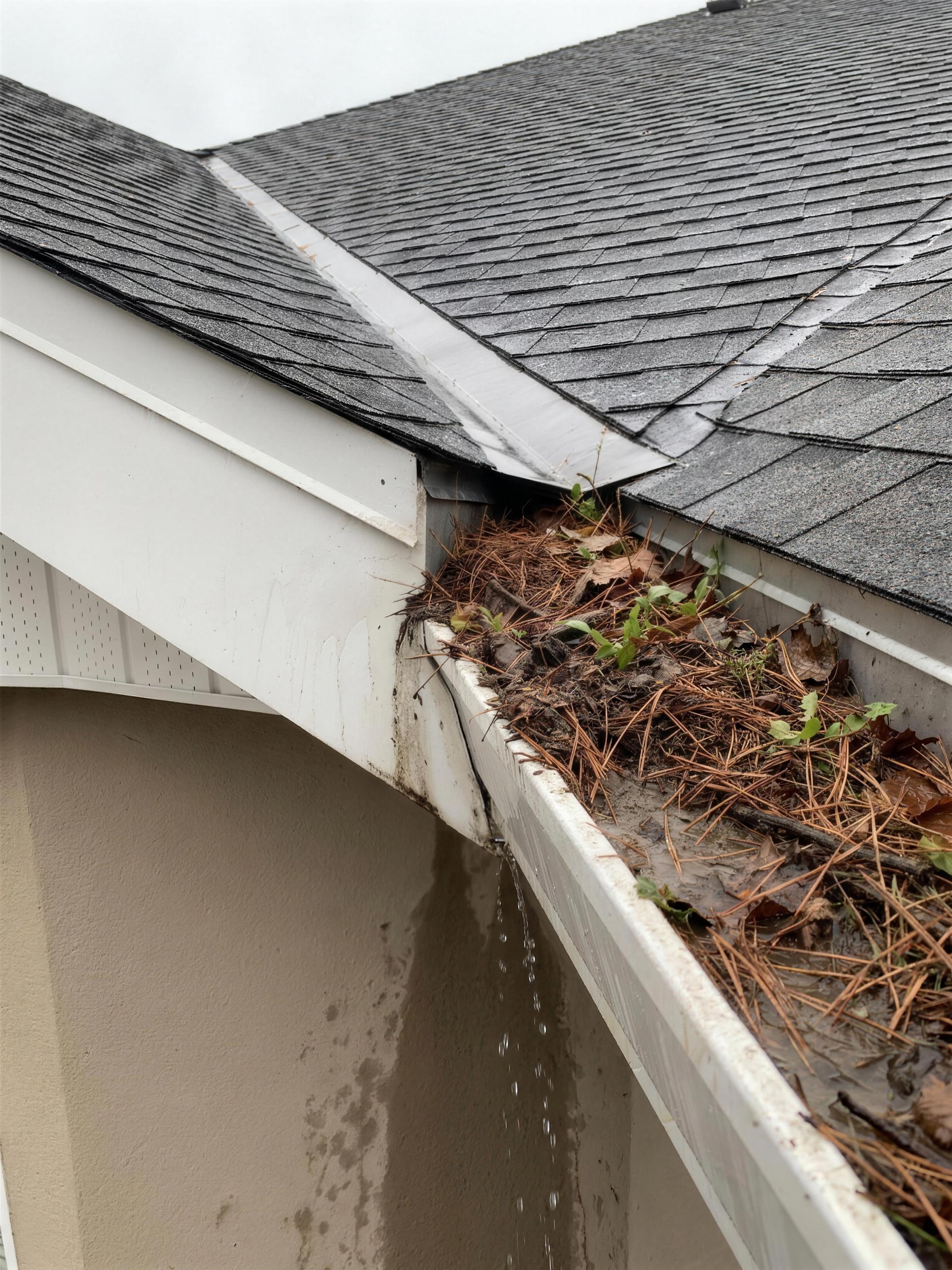
Torch-on and SBS open along the lap where one sheet was not bled properly, or split over a deck joint that moves more than the rest. TPO fails at a seam that was welded too cold or a flashing that was never welded at all. EPDM shrinks for years and pulls itself off the walls. And on every system, the pines drop needles that pack the drains and scuppers until the roof holds a pond, which multiplies UV, adds dead load and tests every weak seam at once.

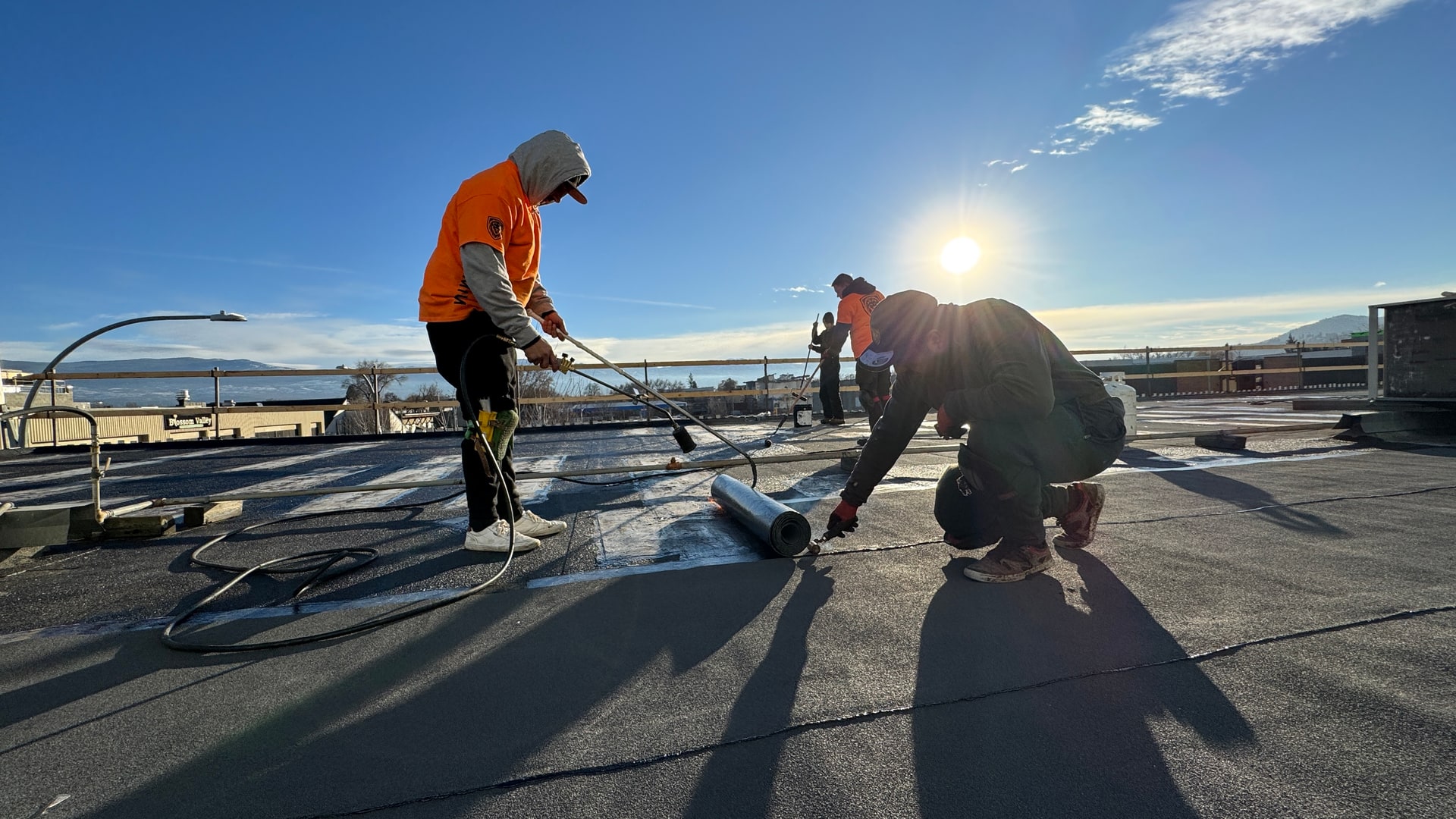
This is the bulk of what Premium Roofing’s crews do: SBS torch-on, TPO and repairs on commercial and multi-unit roofs across the Okanagan. The photograph is one of them, torching a layover on a flat roof. It is the same crew that comes to fix yours.
A flat roof fails from the inside.

Under the membrane on most flat roofs is insulation and a deck. Once water is in the insulation it has nowhere to go, and a small seam repair turns into a section of roof.

First rains

Open lap, wet insulation

Water gets into the seam and runs under the cap sheet. On a two-ply roof the base sheet holds it for a while. Inside, nothing shows yet. This is when the fix is a strip of membrane and an hour.

Fix now: a seam repair

Weeks to months

Insulation saturates

Polyiso and fibreboard soak it up and hold it against the deck. Wet insulation stops insulating, so the building costs more to heat and cool, and the membrane above it blisters as the moisture tries to get out in the sun.

Fix now: cut out and replace the wet section

A season

Deck and fasteners

Steel deck rusts, wood deck rots, and the fasteners holding the insulation and the membrane lose their bite. Now it shows inside: stained tiles, drips at light fixtures, tenants on the phone.

Fix now: section of new deck, insulation and membrane

A year or more

The whole assembly

Wet insulation spreads under the membrane far beyond the original leak. Blisters and splits appear across the field. At this point the honest number is a tear-off and re-roof, and the interior repairs are on top of it.

Fix now: a re-roof, plus the interior

We drew the whole sequence, stage by stage, with the roof section changing as you scroll.

The cost of waiting

The right membrane, the right way.

Each flat-roof system takes its own material and its own method. Most of the failed repairs we get called to look at are the wrong one of each: mastic smeared on TPO, a torch-on patch on rubber, sealant over a wet lap.

Step 01

Walk the roof, probe the details

Every lap, flashing, curb, drain, scupper and termination gets looked at and probed, not just the spot above the stain. On a flat roof water travels a long way under the membrane, and the entry point is often on the other side of the pond from where it shows inside. The drains get checked first, because a choked drain is the most common cause and the cheapest fix on the list.

Step 02

Stop the water if it is active

Peel-and-stick membrane over an open seam, a drain cleared, a curb flashing temporarily sealed. It holds until the roof is dry enough for the permanent repair, which on a torch-on roof means dry enough to torch safely.

Step 03

Torch-on and SBS: cut back and re-torch

An open lap or a split gets cut back to sound, dry membrane and re-torched with a matching cap sheet, lapped the right way so water runs over the seam and not into it. Blisters are cut open, dried, re-plied and capped. Torch work is hot work, so it is done with a fire watch after the torch goes off, an extinguisher on the roof, and care around vents and wood blocking. Premium Roofing carries fire insurance that specifically covers hot-work operations.

Step 04

TPO and EPDM: weld or tape, never glue the wrong thing

TPO patches and new flashings are heat-welded in with new TPO, and the weld is probed. EPDM gets cleaned, primed and repaired with cover tape or a new EPDM patch, and shrinkage at walls and corners is relieved with a new strip rather than stretched back and hoped for. Curb flashings around HVAC units and drain boots are rebuilt in the matching membrane. Termination bars and reglets get new sealant.

Step 05

Fix the drainage, and report on the rest

If clearing the drains does not stop the ponding, the roof has no fall and needs a slope package built into the assembly, new scuppers cut through the parapet, or both. We tell you which. Then you get a written report with photographs: what failed, what was done, what is coming, and roughly how long the roof has. For strata councils and property managers that report goes straight to the owners, and scheduled visits can cover several buildings under one plan.

Repair, layover, or re-roof?

A local failure on a membrane with life left is a repair, and a good one lasts as long as the roof around it. Seams, flashings, drains, one blister: all repairs.

When the cap sheet is alligatored or losing granule across the field, when blisters are everywhere, or when the insulation is wet over a wide area, another patch is money spent twice. A torch-on layover over a sound deck is often the right call, and a full tear-off when the insulation is saturated. Both are done by Premium Roofing, same crews and same phone number. How we decide.

What a flat roof repair costs

We do not quote a roof we have not seen. What moves the number is the membrane type, how much of it has failed, whether the insulation under it is wet, how much of that has to come out, and access to the roof.

What you can count on: the inspection and written quote are free, pricing is flat-rate, and anything that could change the number is named before work starts, not on the invoice. For strata and commercial owners, the quote comes with the photo report so the council sees what it is paying for.

Flat roof repair questions.

Usually it can be repaired. An open lap, a split over a deck joint or a blister is a local failure, and it gets cut back to sound membrane and re-torched with a matching cap sheet. When the whole cap sheet is alligatored, brittle or losing granule across the field, the roof is finished and a layover or re-roof is the honest answer.
Yes. TPO seams and flashings are heat-welded, not glued, so repairs are made with new TPO membrane welded in. EPDM gets primer and cover tape or a new EPDM patch. Each system takes its own material and its own method, and putting the wrong one on a patch is why so many flat-roof repairs fail.
Not yet, but it is a drainage problem that will become one. The first question is whether the drains and scuppers are actually clear, which is the common answer and the cheap one. If clearing them does not fix it, the roof has no fall to the drains and needs a slope package or new scuppers. We tell you which one you are looking at rather than sell you a patch.
Yes. A large part of our repair work is on multi-unit and commercial buildings. Every visit comes with a written report and photographs that can go straight to a council or owner, and scheduled maintenance can cover several buildings under one plan.
Torch-applied work is hot work, and it is done with a fire watch after the torch goes off, a fire extinguisher on the roof, and care around vents, wood blocking and anything combustible. Premium Roofing carries fire insurance that specifically covers hot-work operations, which most contractors do not hold.
We do not quote a roof we have not seen. What moves the number is the membrane type, how much of it has failed, whether the insulation under it is wet, and access. The inspection and written quote are free, pricing is flat-rate, and anything that could move the number is named before work starts.

On the same roof.

Something up there isn't right?

Tell us what you are seeing and we will come and find out what is causing it. Estimates are free, written down, and honest about whether the roof is worth repairing.

250-258-8600

Free estimates • Kelowna, West Kelowna, Lake Country & Peachland