Home Repairs Roof Leak Repair Emergency & Storm Response Shingle Repair Flat & Commercial Roof Repair Flashing, Chimney & Vent Repair Ice Dam & Winter Damage Storm Damage & Insurance Claims Skylight Leak Repair Roof Maintenance Programs More The Cost of Waiting Repair vs Replace FAQ Contact & Service Area Call 250-258-8600
  1. Kelowna Roofing Repairs
  2. Flashing, Chimney & Vent Repair

Flashing, Chimney & Vent RepairWhere leaks actually start

The field of a roof almost never fails on its own. The pipe boot, the counterflashing, the chimney saddle, the bead of sealant in the reglet: those fail, years before the roof around them. We replace or refit the detail properly rather than smearing something over it.
Call 250-258-8600

Leaking right now? Call and say so. Emergency calls are answered 8 am–5 pm weekdays, weekends by arrangement for a fee. An active leak gets a temporary measure first, then a proper repair once the roof is dry enough to do it right.

Call 250-258-8600

Every hole in the roof is a suspect.

Pipes, vents, chimneys, skylights, walls and HVAC units all punch through or interrupt the roof. Each one is a joint, and each joint is a place water can get past the roofing. This is what failure looks like at each.

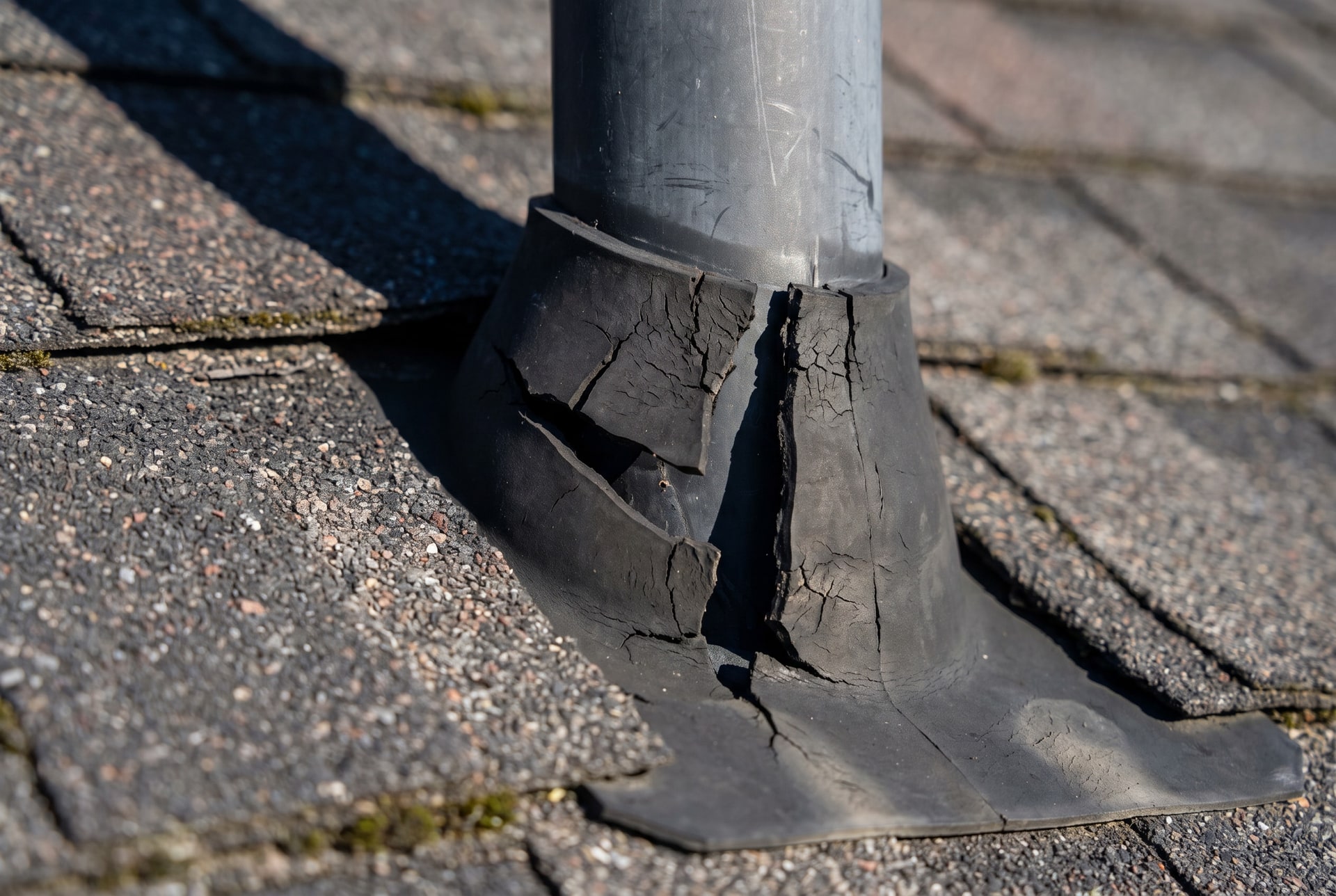
A split or cracked rubber pipe boot

The neoprene collar around a plumbing stack goes brittle in UV and splits where it grips the pipe. Water runs straight down the outside of the pipe into the attic.

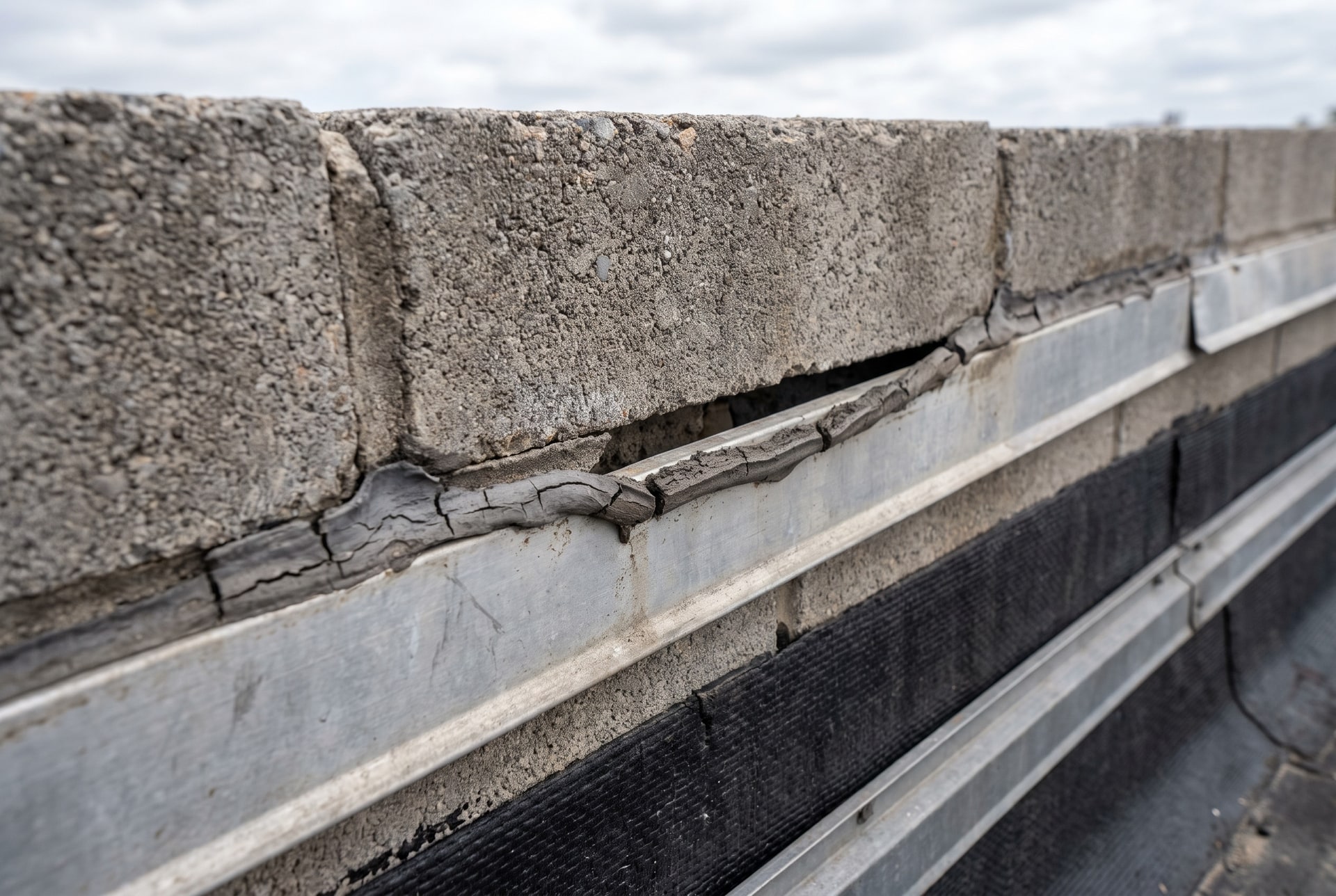
Sealant pulled away from a wall or reglet

A shrunken bead with a gap behind it, or one that cracks when you press it. The counterflashing under it is now open at the top.

A stain on the ceiling beside the chimney

Usually the flashing, the saddle behind it, or the crown and cap on top. Masonry problems above the flashing show as a leak below it.

Rust, holes or lifted edges on a vent

Galvanised vents rust through at the base where water sits. Wind lifts the flange and the course over it, and it never seats again.

Step flashing you can see, or cannot find

Along a wall, each step should be covered by the shingle above it. Exposed steps, or a continuous strip of metal caulked to the shingles, are shortcuts that leak.

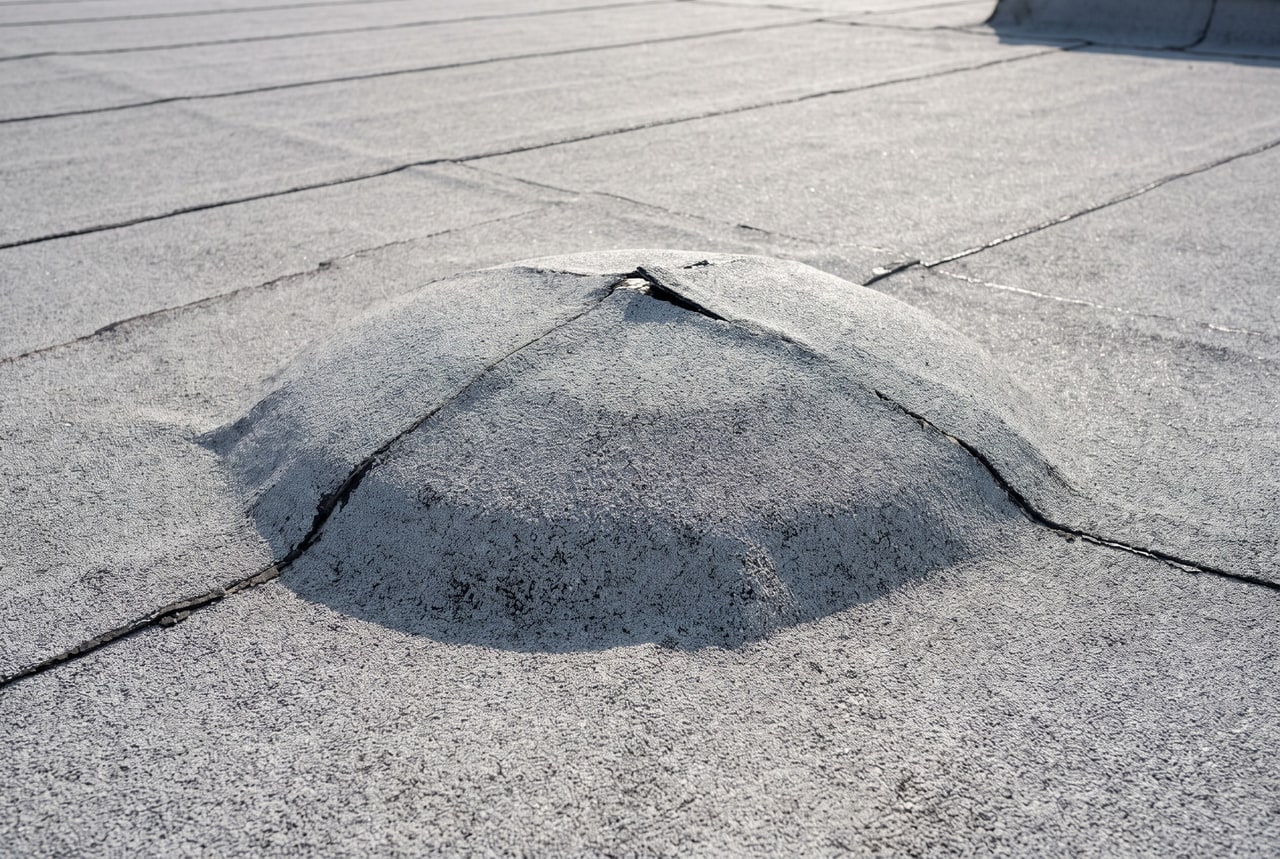
A pitch pan full of cracked filler

On a flat roof, the metal box around a pipe or bracket relies on pourable sealer. When it shrinks and cracks, water pools in the pan and runs down the penetration.

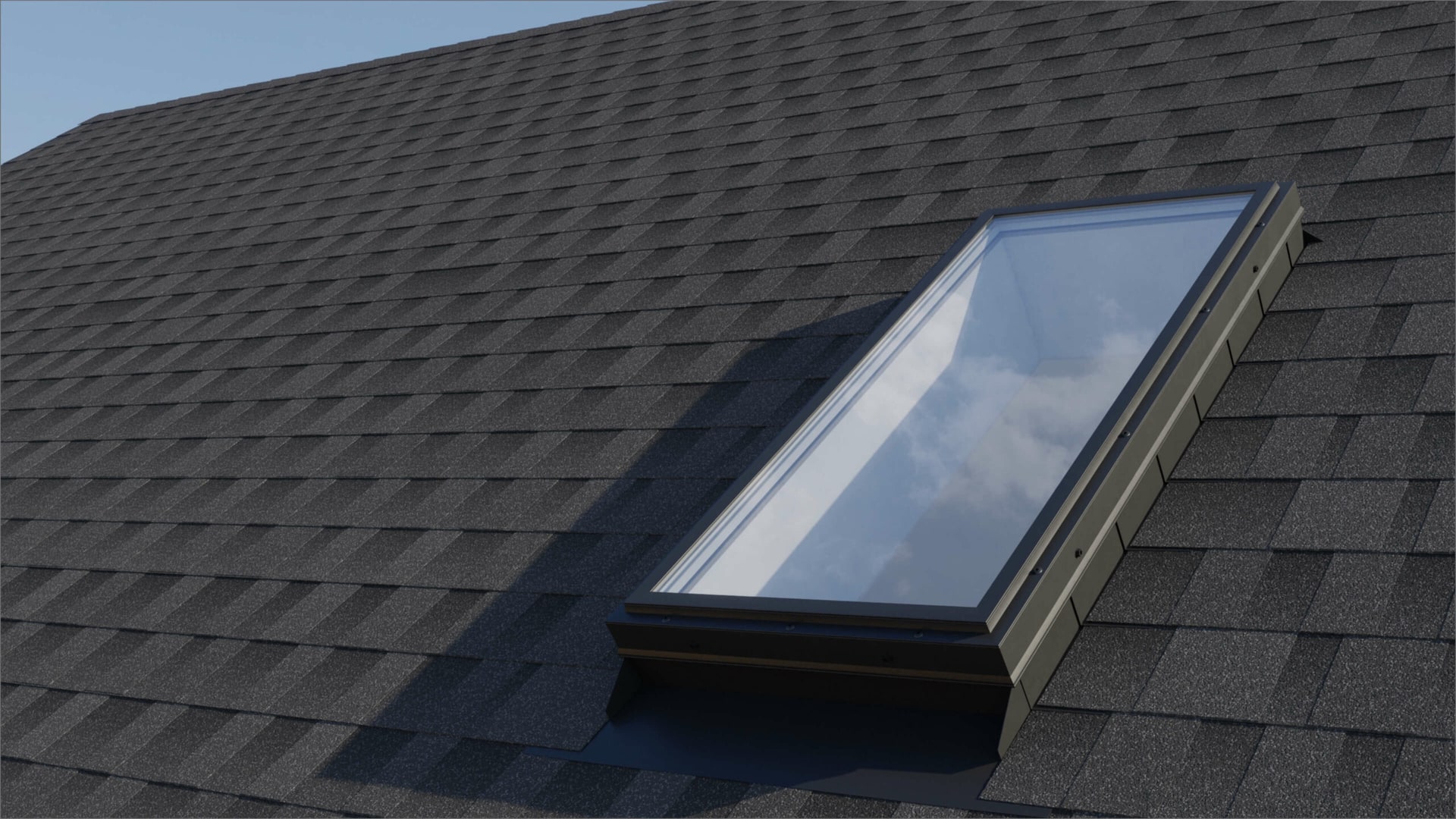
Water at a skylight or HVAC curb

The curb is a box on the roof, and the membrane or shingle has to turn up it and be capped. A lifted lap or an open corner there is a direct route in. See skylight leaks.

A leak that only shows in driving rain

Wind from one direction pushing water up under a lap, over the top of counterflashing or behind a vent flange. Still weather tells you nothing; the storm tells you the detail.

Sealant has a shorter life than the roof.

A flashing is where two things that move differently meet. The roof deck expands and contracts with the day; the chimney does not. The pipe moves with the plumbing; the membrane around it moves with the sun. Metal laps handle most of that movement, and sealant handles the rest. In Kelowna, that sealant is doing its work on a south-facing roof that runs far above air temperature in July and drops below freezing for weeks in January.

So reglet beads shrink, crack and pull away from the masonry. Rubber boots lose their flexibility in the UV and split around the stack. Pitch pan filler dries and shrinks away from the pipe it was poured around. Galvanised vents rust through where needles and water sit against the base. None of that is the roof wearing out; a well-laid shingle field or torch-on membrane around these details can have years of life left.

Which is the whole point. The detail is a maintenance item with a life of its own, and renewing it on schedule is far cheaper than the ceiling it lets go on. Left alone, it is where most of the leaks we are called to begin.

A small detail, a straight path in.

A failed flashing is a leak with a direct route, usually down a pipe or along a wall into the framing. It does not wander like a field leak. It goes to the same place every rain and works on it.

Now

A gap you could miss

A hairline split in a boot, a bead pulled a few millimetres off the wall. Water gets in only in hard or wind-driven rain, dries out between, and nothing shows inside yet.

Fix now: a boot, a reseal, a short visit

Weeks to months

A stain beside the penetration

Water running down the pipe or the wall framing reaches a ceiling or a top plate. The stain appears next to the chimney or under the stack. The wood it ran along is now wet more often than dry.

Fix now: the detail, plus a drywall patch

A season

Framing and insulation

Wall framing behind step flashing, the rafters beside a chimney and the insulation around a stack stay wet. Mould takes hold in the cavity and the insulation stops insulating. Wind gets under the loosened flange and the roofing around it.

Fix now: detail, roofing around it, remediation

A year or more

Rot at the joint

The deck around the penetration, the chimney cricket framing or the wall plate rot. Fasteners lose their hold and the flashing cannot be refitted into sound wood. Now it is carpentry and a section of new deck before any roofing goes back.

Fix now: framing, new deck, a rebuilt detail

We drew the whole sequence, stage by stage, with the roof section changing as you scroll.

The cost of waiting

Replace the detail. Do not caulk over it.

A bead of sealant over a failed flashing is the most common roof repair in Kelowna and the one that fails fastest. Each detail has a right way to be put back, and it is rarely a tube of caulk.

Step 01

Find which detail, and whether it is only that

We trace the stain back uphill and check every penetration and flashing above it: boots, vents, curbs, chimney metal, step and wall flashings, pitch pans, termination bars. Where nothing obvious shows, a controlled water test isolates the joint. We also check whether a bathroom or dryer duct is dumping into the attic, because that moisture looks identical to a roof leak from inside.

Step 02

Pipe boots and vents

A split boot comes out and a new one goes in with the flange under the course above and over the course below, the way water expects it. Rusted or cracked vents are replaced, not patched, and set so the flange laps correctly into the shingles or is stripped into the membrane. A vent that wind lifted goes back in square with new fasteners and the courses around it resealed.

Step 03

Counterflashing, reglets and step flashing

Where the counterflashing is sound, the reglet is raked out, cleaned and resealed with the right sealant for masonry, and the metal refitted tight. Where it is bent, rusted or was never let into the wall, new counterflashing is cut into a reglet and sealed. Step flashing that was skipped or run as one strip gets rebuilt one step per course, each lapped by the shingle above.

Step 04

Chimneys, saddles and curbs

A wide chimney with no saddle behind it collects water and needles against its uphill face; we build a cricket and flash it so the water splits and runs around. Cap flashing gets refitted, and if the crown is cracked or the cap is missing we tell you, because that is where the water is starting. Skylight and HVAC curbs get the membrane or shingle turned up properly and a cap flashing that sheds, with open corners closed.

Step 05

Pitch pans, termination bars, and the record

On flat roofs, pitch pans are cleaned out and refilled with pourable sealer, or replaced with a proper boot where one will fit, which lasts longer. Termination bars are refastened and the bead renewed. Then you get photographs and a written note of every other detail we looked at and roughly how long each has, so the next reseal is a scheduled visit and not a ceiling.

Repair, or replace?

Flashing failures are the definition of a repair. The roof around the detail usually has life left, and a boot, a reglet, a saddle or a vent put back properly lasts as long as it does.

The exception is when every detail on the roof is going at once, which usually means they were all installed the same day and the roofing around them is the same age. If the shingles are bald, the membrane is brittle, or the deck around the penetrations is soft, rebuilding the details one by one is money spent twice. We will tell you that on the first visit. Replacements are done by Premium Roofing, same crews and same phone number. How we decide.

What a flashing repair costs

We do not quote a roof we have not seen. What moves the number is which detail failed, whether the metal can be refitted or has to be fabricated new, what roofing it is set into, and how far the water travelled before we were called.

What you can count on: the inspection and written quote are free, pricing is flat-rate, and anything that could change the number is named before work starts, not on the invoice. If it turns out to be a reseal rather than a rebuild, the price comes down.

Flashing and vent questions.

Because a flashing is where two things that move differently meet: a roof and a wall, a membrane and a pipe, a shingle course and a chimney. The joint relies on metal laps and sealant, and sealant has a much shorter life than the roof around it. The field of a roof rarely fails on its own; the details around it do.
Sometimes. A sound counterflashing with a failed bead in the reglet gets the reglet cleaned out and resealed. A split rubber boot, rusted-through vent, or step flashing that was never lapped properly cannot be sealed back to health, and a bead of caulk over it is a repair you will pay for twice. We will tell you which one you have.
A missing or cracked chimney cap, a crown that has cracked and lets water into the brick, mortar joints that have opened, or no saddle behind a wide chimney so water and needles pile up against the uphill side. Masonry problems above the flashing show up as a leak below it. We look at the whole chimney, not just the metal.
Yes. Rusted, cracked or wind-lifted vents come out and new ones go in flashed into the courses properly. If a bathroom or dryer duct is dumping into the attic instead of through a hood, we will tell you, because that moisture looks exactly like a roof leak from inside.
It depends on which detail failed, whether the metal can be refitted or has to be fabricated new, what the roof around it is made of, and how far the water travelled before we were called. We do not quote sight-unseen. The inspection and written quote are free, pricing is flat-rate, and anything that could move the number is named before work starts.
Properly installed metal flashing can outlast the roof covering. What does not is the sealant at reglets, pitch pans and termination bars, and rubber pipe boots in Okanagan sun. Those are maintenance items, and renewing them on schedule is far cheaper than the ceiling they let go on. See maintenance programs.

Where the water goes next.

Something up there isn't right?

Tell us what you are seeing and we will come and find out what is causing it. Estimates are free, written down, and honest about whether the roof is worth repairing.

250-258-8600

Free estimates • Kelowna, West Kelowna, Lake Country & Peachland